Last spring, we completed a transformation in Chesterfield that perfectly illustrates why plant selection can make or break a landscape investment. The homeowners had spent thousands on hardscaping—beautiful patios, walkways, the works—but their plant choices were struggling. Within six months of our redesign using proven popular plants for landscaping, their neighbors started asking for our business card.
After 15+ years of creating outdoor spaces throughout the St. Louis area, we’ve learned that successful landscaping isn’t about following trends or choosing the most exotic specimens. It’s about selecting plants that deliver consistent beauty, adapt to our unique Missouri climate, and create the outdoor living experience you’re dreaming of.
The difference between a landscape that thrives and one that merely survives often comes down to choosing plants that have proven themselves over time. We’re talking about varieties that can handle our humid summers, unpredictable spring weather, and those occasional late freezes that catch everyone off guard. These are the plants that keep our clients calling to say how much they love spending time in their transformed yards.
Through hundreds of installations and countless follow-up visits, we’ve identified the plants that consistently deliver stunning results while requiring reasonable maintenance. Whether you’re starting from scratch or refreshing existing beds, these proven performers will give you the foundation for a landscape you’ll actually want to spend time in.
Foundation Plants: The Backbone of Great Landscaping
Every successful landscape starts with solid foundation plantings, and we’ve learned which varieties truly earn their place in Missouri gardens. These aren’t just pretty plants—they’re the workhorses that provide structure, year-round interest, and the backdrop that makes everything else shine.
Boxwood: The Reliable Performer
Boxwood remains one of our most requested foundation plants, and for good reason. We’ve watched boxwood plantings we installed a decade ago maintain their crisp, professional appearance with minimal intervention. The key is selecting the right variety for your specific location. Green Velvet boxwood has proven exceptional in our climate, staying compact and maintaining that rich green color even during harsh winters.
One Ladue project showcased boxwood’s versatility beautifully. We used varying heights to create layered interest around the front entrance, and three years later, these plants still look like they were just installed. The homeowner mentions every time we visit for seasonal maintenance how many compliments she receives from neighbors.
Arborvitae: Privacy with Purpose
When clients need privacy screening that looks intentional rather than fortress-like, we often recommend arborvitae. Emerald Green arborvitae has been our go-to choice because it maintains a naturally narrow profile without constant trimming. We’ve installed hundreds of these over the years, and they consistently provide that coveted “living wall” effect.
A recent Kirkwood installation demonstrates their effectiveness perfectly. The homeowners wanted to screen their deck from neighboring windows without creating a claustrophobic feeling. Six-foot Emerald Green arborvitae, properly spaced, created exactly the privacy they needed while maintaining an open, welcoming atmosphere.
Hydrangeas: The Client Favorite
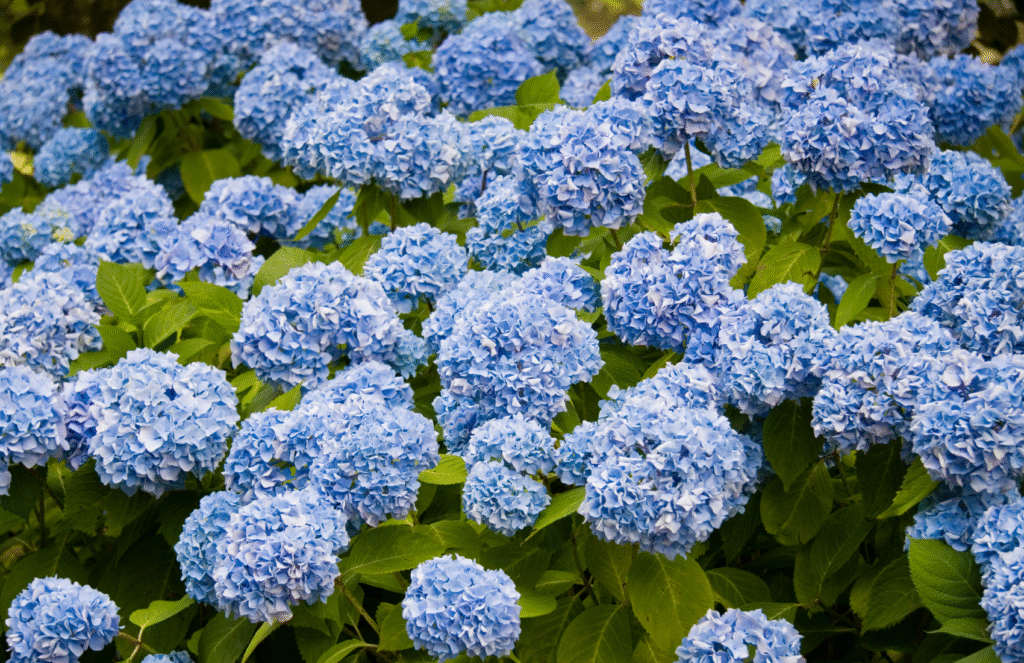
No plant generates more excitement from clients than hydrangeas, particularly when they see established specimens in full bloom during our summer consultations. We’ve found that Incrediball and Limelight hydrangeas perform exceptionally well in our area, offering reliable blooms and manageable growth habits.
The secret we’ve learned through experience is proper placement. Hydrangeas need morning sun but afternoon protection, especially during our brutal July and August heat waves. A Clayton installation where we positioned Limelight hydrangeas on the east side of the house has been blooming spectacularly for five years running. The homeowner credits these plants with transforming her previously unremarkable side yard into the favorite gathering spot for family barbecues.
Spirea: Low-Maintenance Beauty
For clients who want maximum impact with minimal fuss, spirea varieties like Goldflame and Little Princess have proven invaluable. These compact shrubs offer seasonal interest—spring flowers, summer foliage color, and attractive winter structure—without demanding constant attention.
We installed Goldflame spirea three years ago for busy professionals in Des Peres who wanted beautiful landscaping but realistic maintenance requirements. These plants have delivered exactly what we promised: spring flowers, summer color changes, and autumn interest, all while requiring only annual pruning.
Show-Stopping Perennials That Keep Clients Coming Back
The difference between good landscaping and great landscaping often lies in the perennial selections. These are the plants that create those “wow” moments throughout the growing season while establishing your yard as a place that changes and evolves beautifully over time.
Hostas: The Shade Solution
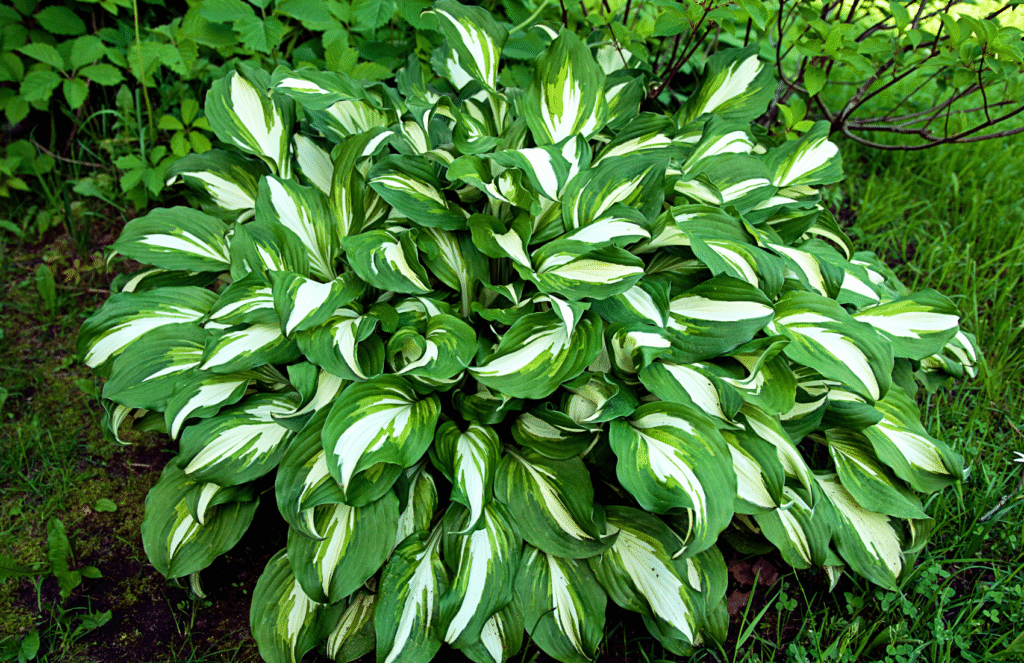
Hostas have solved more challenging shade situations than any other plant in our arsenal. From tiny courtyard gardens in Central West End to sprawling estate properties in Ladue, we’ve used hostas to transform difficult areas into landscape highlights.
Sum and Substance hostas, with their massive chartreuse leaves, create dramatic focal points that clients consistently mention as conversation starters. We installed a grouping around an old oak tree in Webster Groves five years ago, and the homeowner still contacts us each spring to share photos of the emerging leaves. The key insight we’ve gained is that larger hosta varieties often perform better than smaller ones in our climate—they seem more resilient to both drought stress and slug damage.
Blue-leafed varieties like Halcyon provide sophisticated color contrast that photographs beautifully. One Town and Country client specifically requested our recommendations for plants that would look stunning in her social media posts, and the combination of Halcyon hostas with white astilbe has delivered exactly that visual impact.
Daylilies: Heat-Tolerant Champions
Daylilies have earned their reputation as nearly indestructible perennials, but we’ve learned which varieties truly excel in our specific growing conditions. Stella de Oro remains popular for good reason—reliable reblooming performance that extends the flower show from spring through fall.
For dramatic height and statement-making blooms, we often recommend Autumn Red or Chicago Apache daylilies. A recent Chesterfield installation featured mass plantings of these taller varieties along a property border, creating a stunning display visible from the street. The homeowners report that neighbors regularly slow down during evening walks to admire the blooms.
The practical advantage we’ve observed with daylilies is their drought tolerance once established. During the particularly dry summer two years ago, while many landscapes struggled, our daylily plantings continued performing admirably with minimal supplemental watering.
Coneflowers: Pollinator Magnets with Staying Power
Purple coneflowers (Echinacea) have become essential components in our designs, partly for their proven performance and partly for clients’ increasing interest in supporting local wildlife. We’ve watched these plantings become hubs of butterfly and bee activity, adding movement and life to static landscape designs.
White Swan and Magnus varieties have shown exceptional longevity in our installations. A University City project from seven years ago still features the original coneflower plantings, now naturalized into impressive clumps that provide months of continuous blooms. The homeowner mentions how much she enjoys watching goldfinches feed on the seed heads during fall and winter.
Ornamental Grasses: Texture and Movement
Ornamental grasses add an element that’s difficult to achieve with other plant types—graceful movement that brings landscapes to life. Fountain grass and miscanthus varieties have proven particularly effective in our area.
Little Bunny fountain grass works beautifully in smaller spaces, while larger miscanthus varieties like Morning Light create dramatic focal points. A recent Clayton installation used Morning Light miscanthus to soften the transition between formal planting beds and a more naturalized back area. The four-season interest these grasses provide—spring emergence, summer texture, fall color, and winter structure—gives clients year-round value from their landscaping investment.
Trees That Define Your Landscape’s Character
Tree selection requires long-term thinking, and our years of experience have taught us which varieties consistently deliver the mature characteristics clients envision. These aren’t just plants—they’re investments in your property’s future character and value.
Sugar Maples: The Classic Choice
Sugar maples remain one of our most recommended shade trees, primarily because we’ve observed their performance over multiple decades in local landscapes. The fall color display alone justifies their inclusion, but their summer shade provision and attractive winter silhouette make them four-season performers.
We planted several sugar maples in a Kirkwood neighborhood eight years ago, and they’re now approaching the size where they’re beginning to define the character of their respective properties. The homeowners regularly comment on how the trees have transformed their outdoor spaces from sunny, somewhat stark areas into comfortable, naturally air-conditioned gathering spots.
Japanese Maples: Sculptural Elements
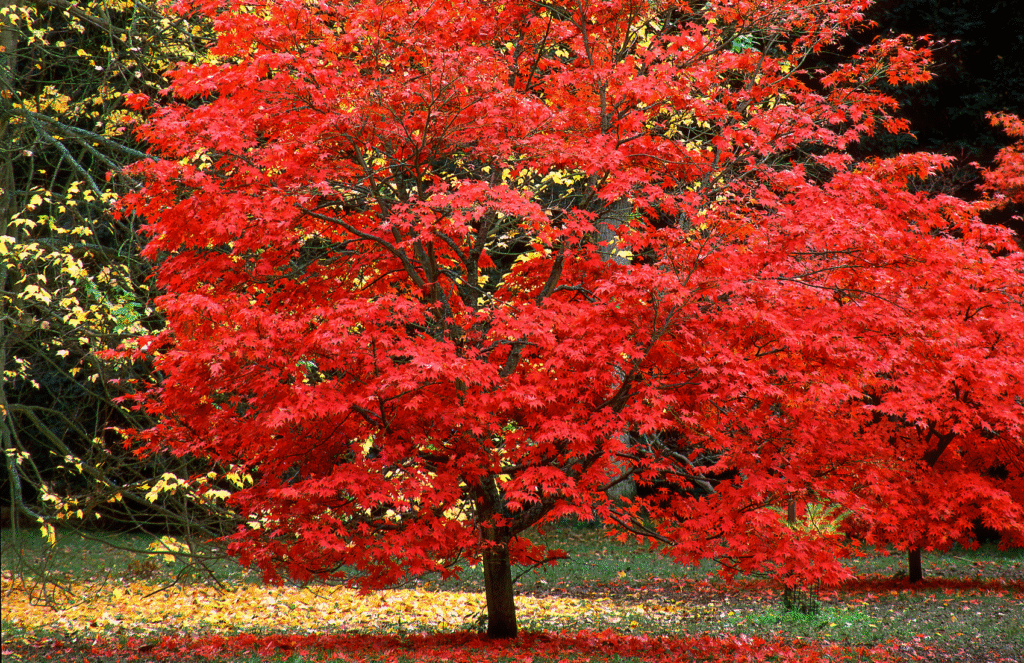
For clients seeking distinctive focal points, Japanese maples offer unmatched elegance and seasonal interest. Bloodgood and Emperor I varieties have proven most reliable in our climate, maintaining their color intensity even during challenging growing seasons.
A recent Clayton project featured a single Emperor I Japanese maple positioned where it’s visible from both the kitchen window and front entrance. This single tree has become the landscape’s defining element, providing spring color, summer structure, and spectacular autumn display. The placement strategy we employed—positioning it against an evergreen background—maximizes its visual impact throughout the year.
Redbud: Native Beauty
As a Missouri native, redbud trees offer both ecological benefits and spectacular spring display. The Missouri Botanical Garden recognizes redbud as one of our state’s most valuable native trees for residential landscapes. We’ve incorporated redbuds into dozens of projects, often using them to create natural transitions between more formal planting areas and naturalized spaces.
The early spring bloom period provides color when most other trees are still dormant, and the heart-shaped leaves create attractive summer texture. A Webster Groves installation featuring multiple redbuds has become a neighborhood highlight each April, with the homeowner reporting that people regularly stop to photograph the blooming trees.
Regional Considerations: What 15+ Years in St. Louis Has Taught Us
Understanding our local growing conditions isn’t just helpful—it’s essential for creating landscapes that thrive rather than merely survive. Through countless installations and seasonal observations, we’ve learned to work with Missouri’s unique challenges rather than fighting against them.
Climate Reality Check
St. Louis weather tests plants in ways that catalog descriptions never mention. Our zone 6b classification doesn’t capture the reality of 95-degree days followed by surprise late freezes, or the humidity levels that can stress plants adapted to drier climates.
We’ve learned to select plant varieties specifically tested for Midwest conditions. Many popular coastal or mountain plants that look appealing in magazines simply don’t perform reliably here. Instead, we focus on varieties that have proven themselves through our region’s weather extremes.
Soil Challenges and Solutions
The clay soil prevalent throughout much of the St. Louis area presents both challenges and opportunities. While drainage can be problematic, clay soil actually provides excellent nutrient retention once properly amended. The University of Missouri Extension provides excellent resources for understanding local soil conditions and amendment strategies. We’ve developed reliable strategies for working with heavy clay, often incorporating organic matter and selecting plants that actually prefer these conditions.
Plants like daylilies, hostas, and many ornamental grasses have evolved to handle clay soil situations that would stress other varieties. Rather than fighting against soil conditions, we’ve learned to embrace them as selection criteria that actually simplifies plant choices.
Seasonal Performance Expectations
Realistic expectations about seasonal performance have proven crucial for client satisfaction. Spring in Missouri can be spectacular but brief, while summer heat tests plant resilience. We’ve learned to design for summer performance first, treating spring and fall displays as bonuses rather than primary considerations.
This approach has consistently delivered landscapes that look their best during the months when clients spend most time outdoors, while still providing interest during cooler seasons.
Design Principles That Make Popular Plants Shine
Plant selection is only part of creating successful landscapes. How you combine and position these plants determines whether your landscape becomes a cohesive, beautiful outdoor space or simply a collection of nice plants.
Layering for Maximum Impact
Successful plant combinations consider mature sizes, bloom times, and seasonal characteristics. We typically design in layers—tall background plants, medium-height focal points, and low-growing ground coverage that ties everything together.
A recent Chesterfield project demonstrates this approach perfectly. Sugar maples provide canopy coverage, understory dogwoods create mid-level interest, and mass plantings of hostas and astilbe provide ground-level texture and seasonal color. Each layer contributes to the overall composition while serving specific functional purposes.
Color Coordination Strategies
Color combinations that look sophisticated rather than chaotic require careful planning. We’ve found that limiting color palettes while varying textures and forms creates more visually appealing results than trying to include every possible flower color.
White, blue, and purple flowering plants with varied green foliage tones have proven particularly effective in our climate. This palette photographs beautifully, provides calm sophistication, and allows seasonal color changes to create natural variation without overwhelming the overall design.
Maintenance Reality
Honest conversations about maintenance requirements have improved client satisfaction dramatically. Every plant requires some care, but we focus on combinations that provide maximum impact for reasonable maintenance investment.
Low-maintenance doesn’t mean no-maintenance, but it does mean choosing plants that don’t require weekly intervention to look presentable. The popular plants we recommend typically need seasonal pruning, occasional fertilizing, and regular watering during establishment, but they don’t demand constant attention to maintain their appearance.
Getting Started: Your Next Steps
Creating the landscape you envision requires thoughtful planning, proper plant selection, and realistic implementation strategies. Whether you’re starting with a blank slate or refreshing existing plantings, success comes from understanding your specific site conditions and choosing plants that match your lifestyle and aesthetic goals.
Site Assessment First
Every successful landscape project begins with understanding what you’re working with. Soil conditions, sun exposure patterns, drainage characteristics, and existing vegetation all influence which popular plants will perform best in your specific situation.
We typically spend considerable time during initial consultations simply observing how sunlight moves across properties throughout the day, noting areas that stay consistently moist or tend toward dryness, and understanding how existing structures influence growing conditions.
Phased Installation Benefits
Large-scale landscape transformations can feel overwhelming, both financially and logistically. We often recommend phased approaches that allow clients to spread costs over multiple seasons while ensuring each phase creates immediate impact.
Starting with foundation plantings around the house typically provides the most dramatic improvement for initial investment. Adding perennial beds and specimen trees in subsequent phases allows budgets to recover while building toward the complete vision.
Professional Consultation Value
While many popular landscaping plants are relatively forgiving, proper placement, soil preparation, and establishment care significantly influence long-term success. Professional consultation can help avoid costly mistakes while ensuring your plant investments thrive rather than merely survive.
The most common errors we observe in DIY landscapes involve improper spacing, inadequate soil preparation, and plant selections that don’t match site conditions. These issues often don’t become apparent until plants have been in place for several growing seasons, making corrections more expensive and time-consuming.
Seasonal Timing Considerations
Planting timing influences establishment success, particularly for trees and larger shrubs that represent significant investments. Spring and fall planting windows offer optimal conditions for root development before weather extremes stress new installations.
We typically recommend spring installation for most perennials and summer-blooming plants, while trees and shrubs often establish more successfully with fall planting. This allows root development during mild weather before facing either summer heat stress or winter cold.
The popular plants we’ve discussed represent time-tested choices that consistently deliver beautiful results in St. Louis area landscapes. Their proven performance, combined with thoughtful design and proper installation, creates outdoor spaces that enhance both daily living and property values.
Whether you’re dreaming of dramatic curb appeal, comfortable outdoor entertaining areas, or simply a more beautiful view from your windows, these plant selections provide the foundation for achieving those goals. The key is matching your specific vision with plants that will thrive in your particular growing conditions while fitting your maintenance preferences and lifestyle requirements.
At Allen Outdoor Solutions, we’ve seen how the right plant choices transform not just landscapes, but how families use and enjoy their outdoor spaces. The popular plants for landscaping we’ve shared represent our most reliable recommendations based on real-world performance and client satisfaction over more than 15 years of creating beautiful Missouri gardens.
Ready to start planning your landscape transformation? Contact us to discuss how these proven plant selections can create the outdoor space you’ve been envisioning for your property.
